
This Asian ginger dressing is a delightful blend of flavors that will elevate any salad or dish. The combination of soy sauce, rice vinegar, and fresh ginger creates a perfect balance of savory, tangy, and spicy notes. It's quick to make and adds a burst of Asian-inspired flavor to your meals.
Some ingredients in this recipe might not be staples in your pantry. Rice vinegar and sesame oil are commonly found in the Asian section of most supermarkets. Fresh ginger can be found in the produce section, and it’s best to use fresh rather than powdered for this recipe. Make sure to check the labels when buying soy sauce to ensure you get the right flavor profile.
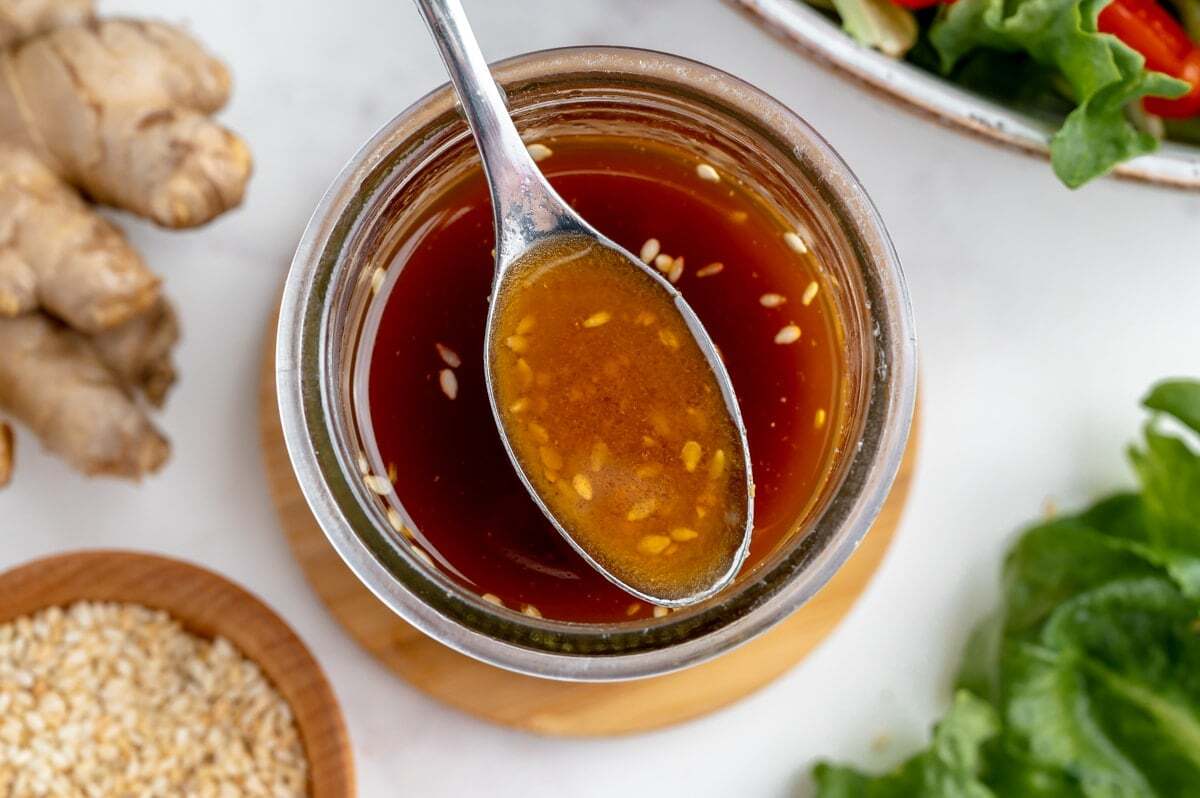
Ingredients for Asian Ginger Dressing Recipe
Soy sauce: A salty and savory liquid made from fermented soybeans, essential for adding depth of flavor.
Rice vinegar: A mild and slightly sweet vinegar made from fermented rice, providing a tangy kick.
Fresh ginger: A spicy and aromatic root that adds a zesty and warming flavor.
Honey: A natural sweetener that balances the acidity and saltiness.
Sesame oil: A fragrant oil made from sesame seeds, adding a nutty flavor.
Garlic: A pungent and aromatic bulb that enhances the overall taste.
Olive oil: A smooth and rich oil that helps emulsify the dressing and adds a subtle fruity note.
Technique Tip for This Dressing
To enhance the flavor of your Asian ginger dressing, make sure to use fresh ginger instead of powdered ginger. Freshly grated ginger will provide a more vibrant and aromatic taste. Additionally, when blending the ingredients, start with a lower speed to ensure the olive oil emulsifies properly with the other liquids, creating a smooth and cohesive dressing. If you prefer a slightly sweeter dressing, you can adjust the amount of honey to taste.
Suggested Side Dishes
Alternative Ingredients
soy sauce - Substitute with tamari: Tamari is a gluten-free alternative that provides a similar umami flavor.
soy sauce - Substitute with coconut aminos: Coconut aminos are a soy-free option with a slightly sweeter taste.
rice vinegar - Substitute with apple cider vinegar: Apple cider vinegar has a similar acidity and can mimic the tanginess of rice vinegar.
rice vinegar - Substitute with white wine vinegar: White wine vinegar can provide a comparable acidity and flavor profile.
fresh ginger - Substitute with ground ginger: Ground ginger can be used in smaller quantities to provide a similar warmth and spice.
fresh ginger - Substitute with galangal: Galangal offers a slightly different but still aromatic and spicy flavor.
honey - Substitute with maple syrup: Maple syrup provides a similar sweetness with a different flavor note.
honey - Substitute with agave nectar: Agave nectar is a vegan alternative that offers a similar level of sweetness.
sesame oil - Substitute with peanut oil: Peanut oil has a nutty flavor that can mimic the richness of sesame oil.
sesame oil - Substitute with walnut oil: Walnut oil provides a similar nutty flavor and richness.
garlic - Substitute with shallots: Shallots offer a milder but still aromatic flavor that can replace garlic.
garlic - Substitute with garlic powder: Garlic powder can be used in smaller quantities to provide a similar garlic flavor.
olive oil - Substitute with grapeseed oil: Grapeseed oil has a neutral flavor and similar consistency.
olive oil - Substitute with avocado oil: Avocado oil offers a mild flavor and similar health benefits.
Alternative Recipes Similar to This Dressing
How to Store or Freeze This Dressing
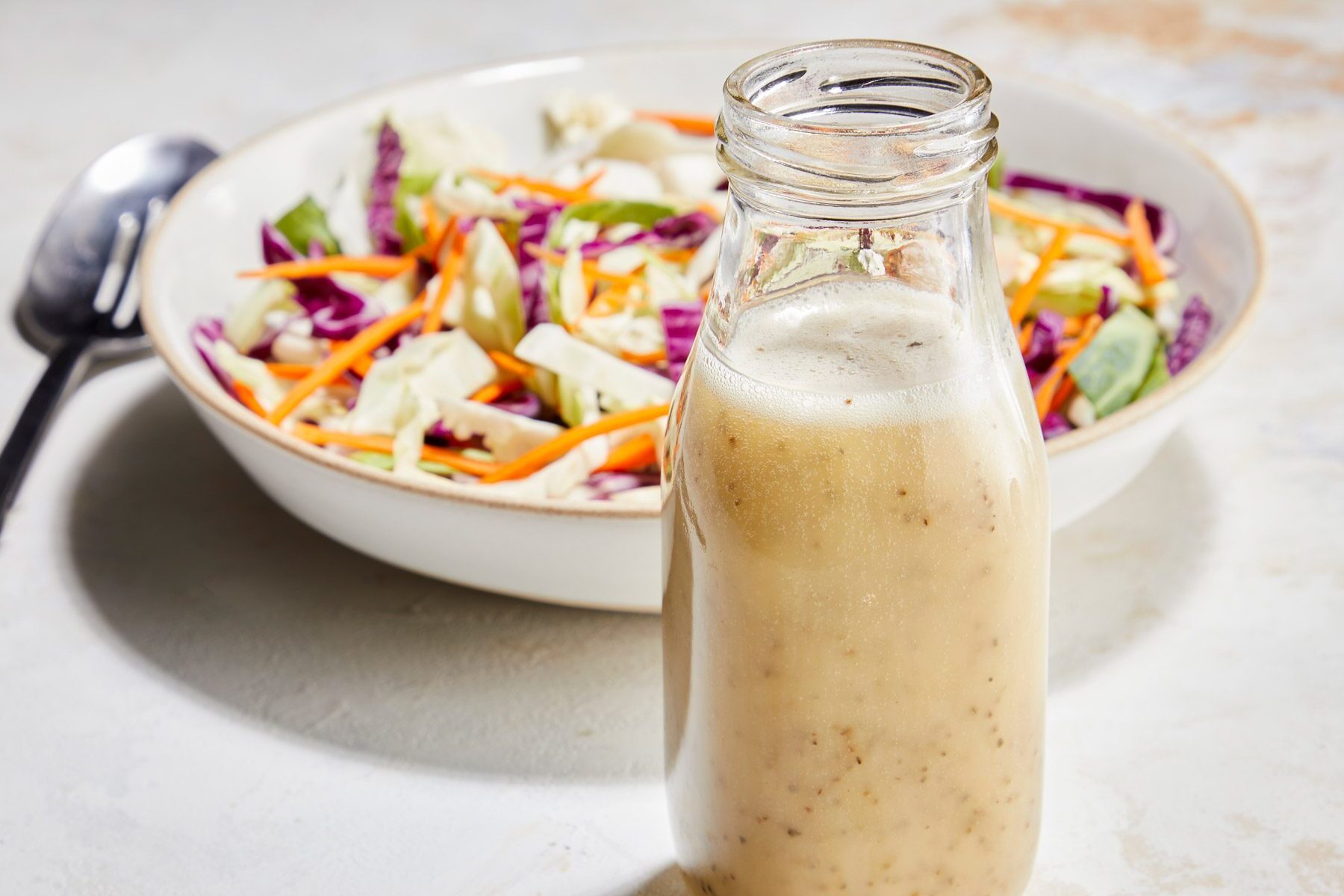
For short-term storage, pour the Asian ginger dressing into an airtight container or a glass jar with a tight-fitting lid. This will help maintain its freshness and prevent any unwanted odors from seeping in.
Store the container in the refrigerator. The dressing will stay fresh for up to one week. Before using, give it a good shake or stir to re-emulsify the ingredients, as separation is natural.
If you want to extend the shelf life, consider freezing the dressing. Pour it into ice cube trays for easy portioning. Once frozen, transfer the cubes to a freezer-safe bag or container. This method allows you to thaw only what you need, reducing waste.
When ready to use, thaw the desired amount of dressing in the refrigerator overnight or at room temperature for a few hours. Once thawed, give it a good stir to bring back its smooth consistency.
Avoid freezing the dressing in a glass jar, as the expansion during freezing could cause the glass to crack. Instead, opt for plastic containers or freezer bags.
For an added burst of flavor, consider adding freshly chopped herbs or a squeeze of lemon juice just before serving. This can enhance the taste and bring a fresh element to the dressing.
Always label your containers with the date of preparation. This helps keep track of how long the dressing has been stored and ensures you use it within the optimal time frame for the best flavor and quality.
How to Reheat Leftovers
Pour the Asian ginger dressing into a small saucepan. Heat over low heat, stirring occasionally, until it reaches your desired temperature. Be careful not to overheat, as this can alter the flavor and consistency.
Alternatively, place the dressing in a microwave-safe bowl. Cover with a microwave-safe lid or plate to prevent splatters. Heat on medium power in 15-second intervals, stirring in between, until warmed through.
For a more gentle approach, use a double boiler. Fill the bottom pot with water and bring to a simmer. Place the dressing in the top pot and heat, stirring occasionally, until it is warmed to your liking.
If you prefer not to use direct heat, you can also warm the dressing by placing the container in a bowl of hot water. Let it sit for a few minutes, stirring occasionally, until it reaches the desired temperature.
Best Tools for Making This Dressing
Blender: Use this to combine all the ingredients and blend them until smooth.
Measuring cups: Essential for accurately measuring the soy sauce, rice vinegar, and olive oil.
Measuring spoons: Necessary for measuring the fresh ginger, honey, and sesame oil.
Grater: Use this to grate the fresh ginger finely.
Garlic press: Handy for mincing the garlic clove quickly and efficiently.
Spatula: Useful for scraping down the sides of the blender to ensure all ingredients are well mixed.
Storage container: Ideal for storing the dressing in the refrigerator if not serving immediately.
How to Save Time on Making This Dressing
Prepare ingredients in advance: Grate the ginger and mince the garlic ahead of time to streamline the process.
Use a food processor: Instead of a blender, a food processor can quickly mix the soy sauce, rice vinegar, and other ingredients.
Batch preparation: Make a larger quantity of the dressing and store it in the refrigerator for future use.
Pre-measure liquids: Measure out the soy sauce, rice vinegar, and olive oil before starting to save time during assembly.
Asian Ginger Dressing Recipe
Ingredients
Main Ingredients
- ¼ cup Soy sauce
- ¼ cup Rice vinegar
- 2 tablespoons Fresh ginger, grated
- 1 tablespoon Honey
- 1 tablespoon Sesame oil
- 1 clove Garlic, minced
- ½ cup Olive oil
Instructions
- Combine all ingredients in a blender.
- Blend until smooth.
- Serve immediately or store in the refrigerator.
Nutritional Value
Keywords
More Amazing Recipes to Try 🙂
- Flapjack Pancakes Recipe30 Minutes
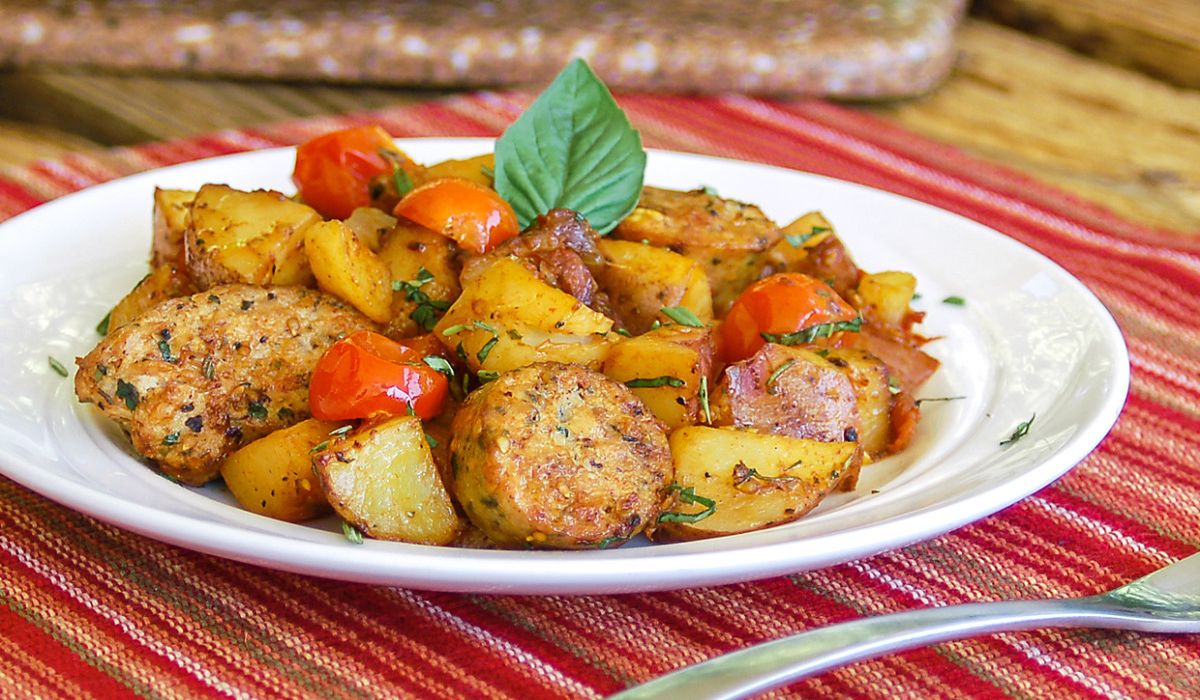
- Italian Sausage Recipe30 Minutes
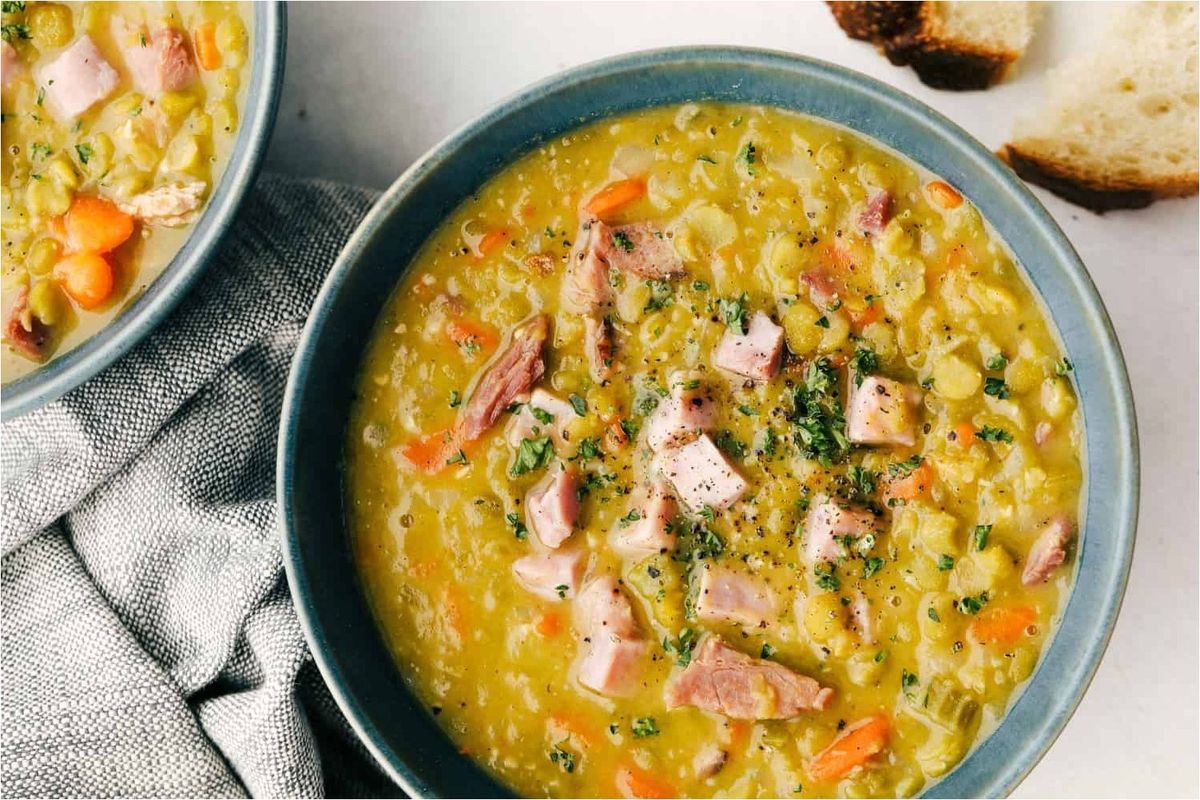
- Split Pea Soup Recipe1 Hours 45 Minutes
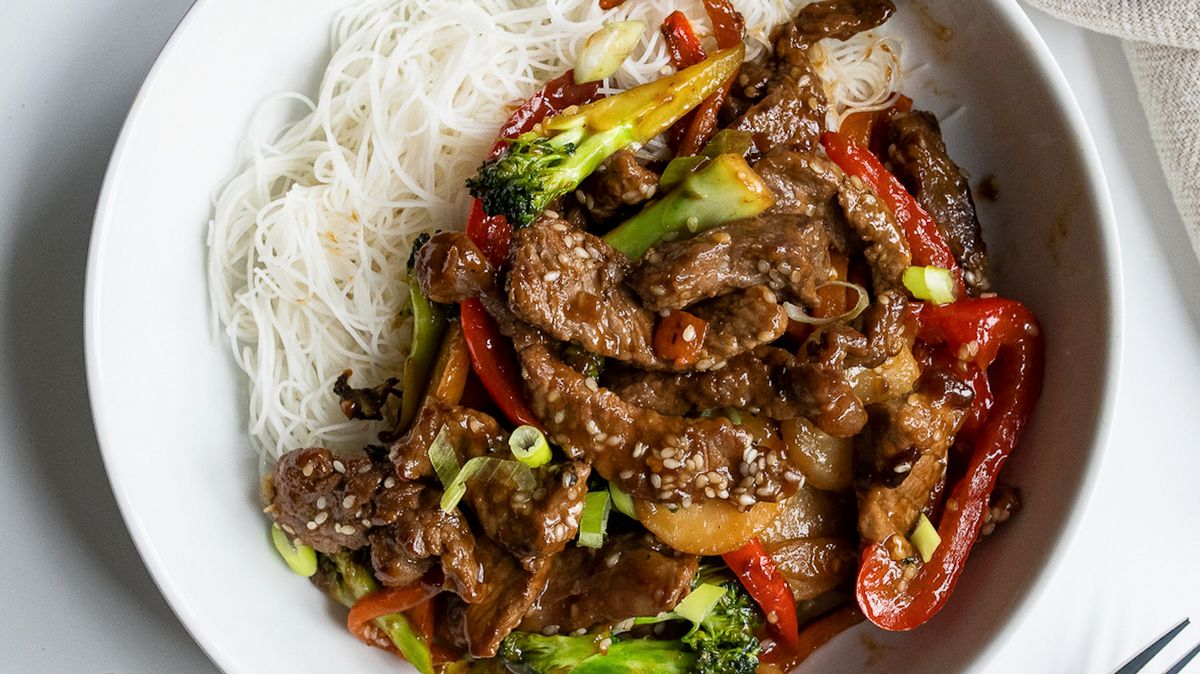
- Beef Stir Fry Recipe25 Minutes
- Buttermilk Syrup Recipe15 Minutes
- Quiche Lorraine Recipe1 Hours 5 Minutes
- Rolled Sugar Cookies Recipe25 Minutes
- Painkiller Recipe5 Minutes





Leave a Reply